
Loading...
Serving Lathrop, CA and surrounding areas. (209) 841-4699
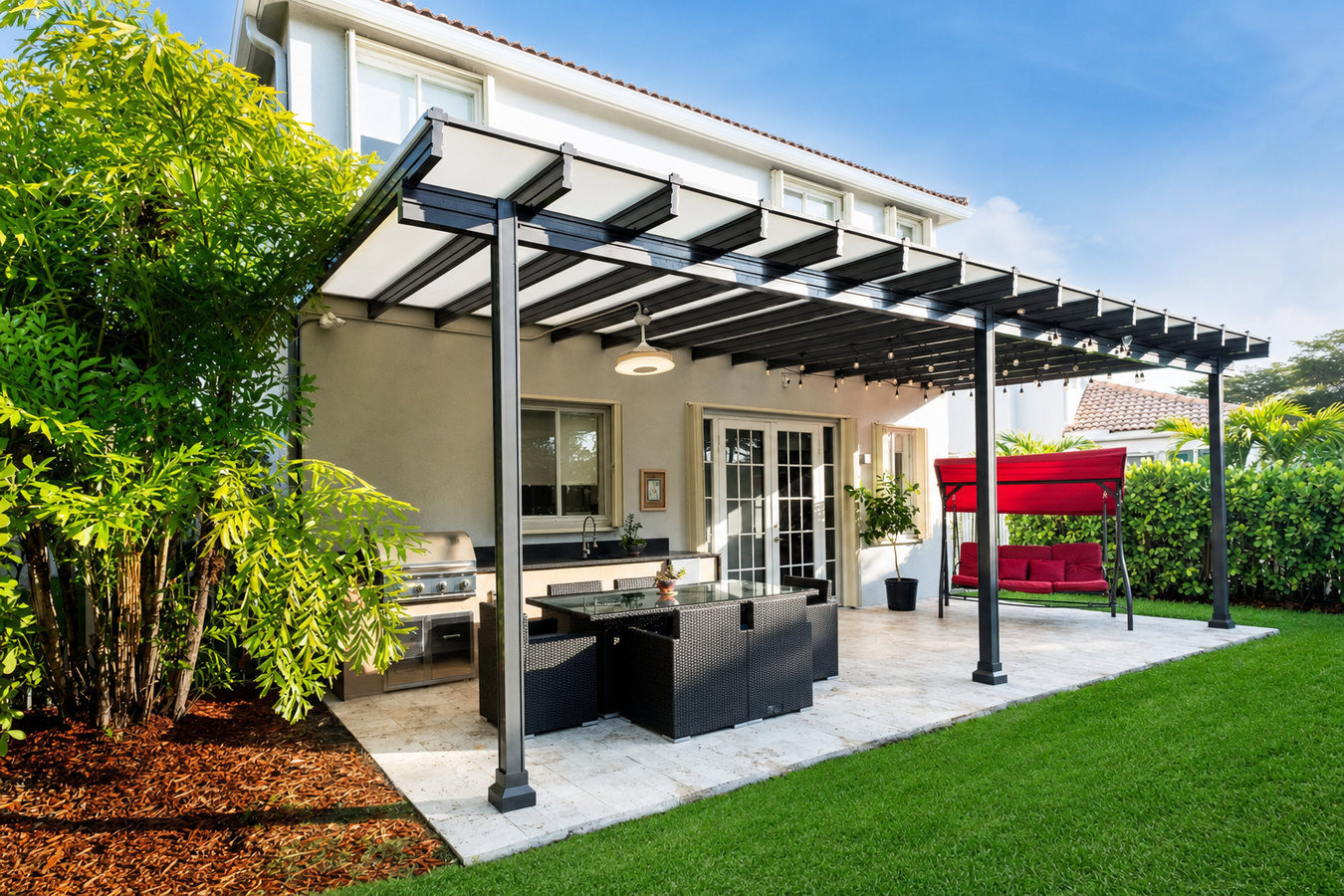
Lathrop Deck and Fence builds custom decks, covered patio structures, pergolas, and wood fences for Lodi, CA homeowners - with experience on both the older craftsman-era homes near downtown and the newer stucco subdivisions on the north and east sides of the city, and every project fully permitted.
Lodi summers regularly push above 100 degrees F, and an uncovered backyard is effectively unusable during the hottest months. A covered deck or patio cover changes that equation by creating a shaded outdoor space that the family can use from May through October - not just on the three mild days each spring.
Lodi has a wide range of home styles - craftsman bungalows near downtown, ranch houses from the 1950s and 1960s, and newer stucco homes on the north and east sides. Each of those starting points requires a different deck approach, and that is exactly what a custom design process accounts for. We size and design to the actual yard and home, not a template.
For Lodi homeowners who want a deck that holds up with minimal maintenance, composite decking is the right choice. It does not dry out, crack, or splinter in the Central Valley heat, and it does not need to be stained every two years. The material cost is higher upfront, but the total cost over ten years is typically lower than maintaining a wood deck in this climate.
Lodi is wine country, and many homeowners here have an appreciation for outdoor living that goes beyond a bare concrete slab. A pergola gives a backyard a defined structure without the full cost of a covered roof - it creates filtered shade, frames the outdoor space, and works well with the vine-covered aesthetic that fits naturally in this part of the valley.
Older Lodi neighborhoods near downtown often have original fencing that has gone through 40 or 50 wet winters and dry summers. When a wood fence starts to lean, split, or lose boards, replacement makes more sense than continued repair - and a new privacy fence restores the security and visual boundary that the yard depends on.
Lodi homes from the 1980s and 1990s that had decks built during that era are at the point where the wood has cycled through enough wet winters and hot summers to show real wear. Boards that flex, posts that feel soft at ground level, and railings that move are signs that a repair or full replacement conversation is overdue.
Lodi is one of the older cities in San Joaquin County, incorporated in 1906, and its housing stock reflects that history. The neighborhoods around downtown Pine Street have homes built as far back as the early 1900s, with craftsman bungalows, older concrete foundations, and mature trees whose root systems reach into the soil well below where footings need to be placed. Those conditions require a different site assessment than a newer tract home on a freshly graded lot. A contractor who has only worked on newer construction will underestimate what it takes to do a clean job on an older Lodi property.
The newer subdivisions on the north and east sides of town - built mostly in the 1990s through 2010s - present a different set of conditions. Stucco exteriors, smaller lot setbacks, and HOA rules affect how structures attach to the home and how close they can sit to the property line. The clay-rich soil common throughout the San Joaquin Valley is present across all of Lodi's neighborhoods, and it creates the same seasonal expansion-and-contraction cycle that affects footings and posts in every Central Valley city. The combination of wet winters and intense dry summers also means that any wood used outdoors here needs to be properly finished and maintained - or chosen with that climate in mind from the start.
Our crew works throughout Lodi regularly and pulls permits from the City of Lodi Building Division for every project that requires one. Lodi has its own permitting timeline and inspection requirements, and familiarity with that process means we can give you an honest estimate of how long the permit review will take rather than a generic guess.
Lodi has a real downtown - Pine Street and the blocks around Hutchins Street Square have an energy that most Central Valley cities lack, and the neighborhoods within walking distance of that core are full of homeowners who are serious about their properties. Lodi Lake Park along the Mokelumne River is one of the most visible landmarks in the city, and the older residential streets nearby mix craftsman homes with mid-century ranch houses on larger lots. The east side and north side of town are a different story - newer stucco homes on compact lots where covered patios and composite decking are the most common requests.
We also serve Stockton to the south - a much larger city with its own range of housing types and project scopes, and one where permit timelines and requirements differ from Lodi.
We respond within 1 business day. We ask a few quick questions about your project before scheduling a site visit so we show up prepared - not starting from scratch when we arrive.
We visit your Lodi property, measure the space, check site conditions, and walk through your options in person. You get a written estimate before making any decision - and we identify any permit requirements or HOA setback rules that apply to your address.
We file the permit with the City of Lodi on your behalf. The review process typically takes two to four weeks. We track the status and let you know when we are cleared to begin - you never need to contact the building department yourself.
Construction on most Lodi projects takes one to three weeks. We schedule all required inspections and do not close out the job until the final inspection is passed and the site is clean.
We serve Lodi homeowners from the older neighborhoods near downtown to the newer subdivisions on the north and east sides of the city. Free written estimates, no obligation.
(209) 841-4699Lodi is a city of about 68,000 people in San Joaquin County, sitting in the Central Valley between Sacramento and Stockton along Highway 99. It has a distinct identity built around its wine-growing heritage - the city is known as the "Zinfandel Capital of the World," and dozens of wineries and vineyards operate in and around town. Unlike many Central Valley cities that feel like extended suburbs, Lodi has its own downtown along Pine Street with locally owned shops and restaurants, a walkable core, and a community character that has been built up over more than a century. The annual Lodi Grape Festival has been a local tradition for decades and draws visitors from across the region each fall.
The city's housing stock spans more than a century of construction. The neighborhoods closest to downtown include craftsman bungalows from the early 1900s and ranch-style homes from the postwar decades - properties with mature trees, older foundations, and yards that have been lived in for generations. Further out, the neighborhoods that expanded in the 1990s and 2000s on the north and east sides of town have newer stucco homes on smaller lots, many of which are ready for the outdoor living upgrades the original builders did not include. For homeowners in neighboring areas, Stockton to the south is a larger city we serve regularly, with a similarly wide range of home ages and project types.
Get a one-of-a-kind deck designed and built to fit your home perfectly.
Learn MoreLow-maintenance composite decking installed to last for decades.
Learn MorePremium Trex boards installed for a beautiful, splinter-free outdoor space.
Learn MoreDurable pressure-treated lumber decks built to handle outdoor elements.
Learn MoreNaturally beautiful cedar decks that resist rot and look stunning.
Learn MoreRestore safety and beauty to any aging or damaged deck quickly.
Learn MoreProtect and refresh your deck with professional staining and sealing.
Learn MoreCustom wood fences built to create a private, secure backyard.
Learn MoreEnjoy outdoor living year-round without bugs or harsh weather.
Learn MoreShade your outdoor space with a professionally built patio cover.
Learn MoreWe serve all of Lodi and respond within 1 business day. Call now or submit a request online to get a written estimate and start planning before the next summer.