
Loading...
Serving Lathrop, CA and surrounding areas. (209) 841-4699
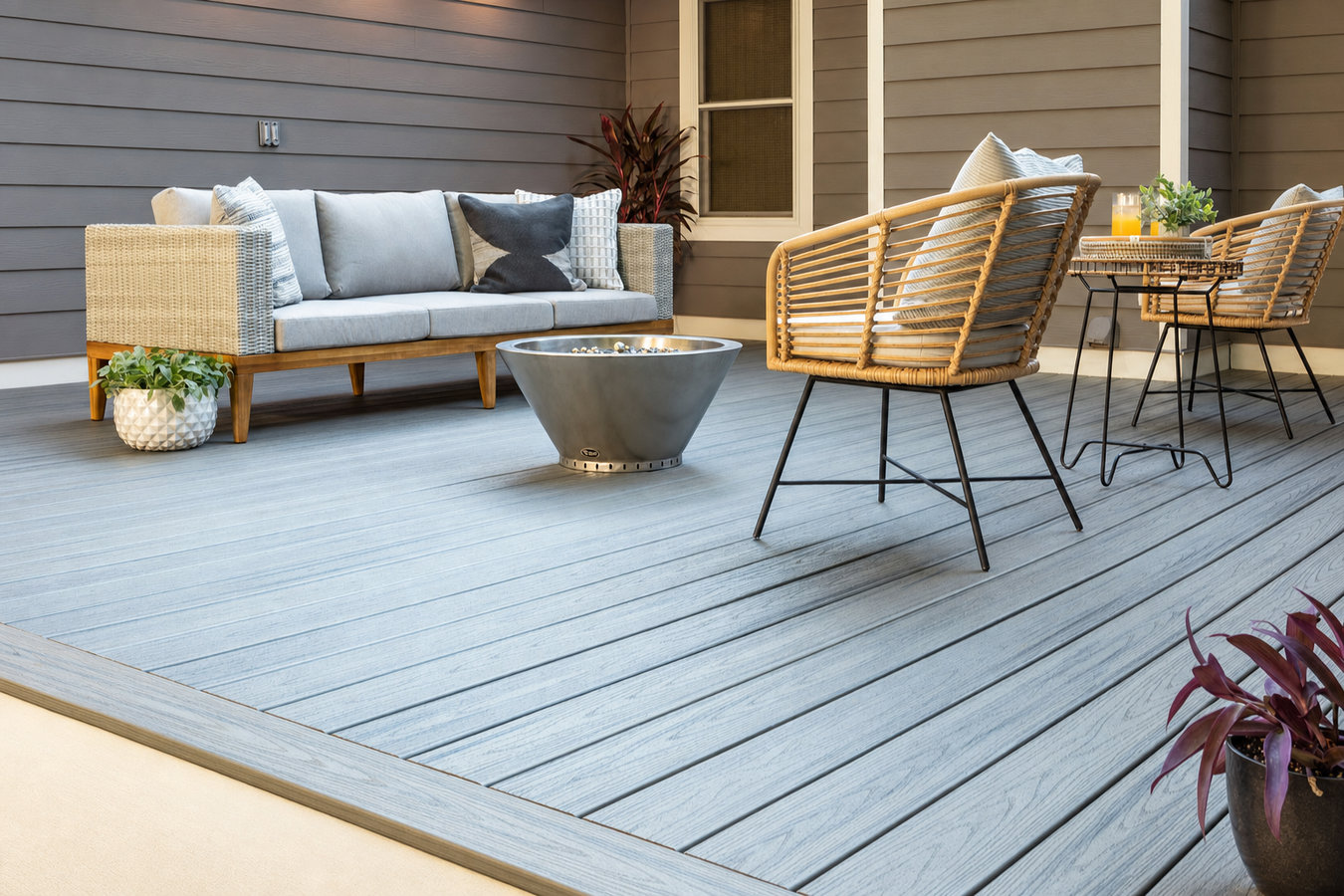
Lathrop Deck and Fence builds custom decks, Trex composite decks, and fences for Tracy homeowners - fully permitted through the City of Tracy, built for the clay soil and summer heat that define every outdoor project in this community, and backed by a contractor you can actually reach.
Most Tracy homes were built in the 1990s and 2000s, and a large number of them were delivered without a proper deck. Trex composite decking is one of the best fits for these properties - it holds up to the triple-digit summer heat that would dry out and crack an untreated wood deck within a few seasons. A Trex deck installation gives Tracy homeowners a low-maintenance surface that stays looking clean without annual staining or sealing.
Tracy is a city full of mid-sized suburban lots where the backyard is the main outdoor space for the family. A custom deck designed around your specific yard, door height, and how your household actually uses the space creates a genuinely useful area rather than a generic platform that sits unused.
Tracy temperatures regularly hit 95 to 100 degrees F from June through September. A pergola over your deck or patio creates shade that makes the outdoor space usable through the hottest hours of the day - not just in the milder months when shade barely matters.
Many Tracy subdivisions have HOA guidelines that approve white or tan vinyl as a standard fence material. Vinyl holds up well in the San Joaquin Valley sun without paint, warping, or rot - which is a meaningful advantage in a community where keeping the exterior looking maintained matters to property values and neighbors alike.
A patio cover turns a surface that is too hot to use in July into a genuinely comfortable outdoor room. Tracy homeowners who commute long hours want a backyard that works when they get home in the evening - a covered structure makes that possible even on the hottest days of the year.
Many Tracy homes built in the early 1990s had wood decks installed at the time of construction that are now 30 or more years old. Tracy's clay soil and heat cycles stress older deck frames from below and above. Catching rot, loose ledger connections, or failing footings early costs far less than a full tear-out and rebuild.
Tracy grew fast. Most of the city was built out during the 1990s and 2000s, when the area became a destination for Bay Area commuters looking for more space at a lower cost. That growth produced large stretches of stucco tract homes on mid-sized suburban lots - properties where the house itself is well-built but the backyard outdoor infrastructure was often left minimal or incomplete. A lot of Tracy homeowners are now at the point in homeownership where adding or upgrading a deck, fence, or patio cover makes both daily life better and the property more valuable.
The climate and soil conditions in Tracy set real constraints on outdoor construction. Summer temperatures routinely exceed 95 degrees F and often hit 100 degrees F or above, which degrades untreated wood surfaces and exterior finishes faster than most people expect. The clay-heavy soil underneath Tracy shifts with the wet-dry cycle of the seasons - swelling in winter rain and shrinking in summer heat - which puts stress on footings and posts if they are not set correctly. A deck builder who works in the Central Valley regularly accounts for both of these factors from the design stage, not as an afterthought after something starts to fail.
Our crew works throughout Tracy regularly, and when a project requires a permit, we file directly with the City of Tracy Building Division. The city has specific plan review requirements and inspection stages that differ from neighboring municipalities, and knowing that process from direct experience reduces the back-and-forth that costs homeowners time.
Tracy sits at the junction of Interstate 205 and Interstate 580, which is one reason the city became a logistics hub and a commuter destination at the same time. The residential neighborhoods mostly fall into two categories: the newer master-planned areas like Tracy Hills on the western edge of the city, and the older core neighborhoods near downtown Tracy and the historic railroad corridor. The older blocks near downtown have homes from the early and mid-1900s with different construction methods and different maintenance histories than the stucco tract homes that make up most of the rest of the city. We work in both parts of Tracy and know what to expect in each.
We also serve Mountain House to the west, a planned community that shares many of the same housing characteristics as Tracy's newer developments. And we work throughout the broader Central Valley, including Lathrop just to the north, where the commuter and suburban housing profile is similar.
We respond within 1 business day. A short conversation before the site visit helps us show up prepared - knowing your goals and rough project scope means we spend less of your time on basics at the property.
We visit your Tracy property, assess the space, and walk through your options. You receive a written estimate before any commitment - this is also where we flag whether your project requires a City of Tracy permit or any HOA approval.
We submit the permit application to the City of Tracy and handle the review process. Permit review typically takes two to four weeks. You don't need to call the city or track the status - we stay on top of it.
Most projects take one to three weeks of active construction. We coordinate the required city inspections and do a final walkthrough with you before we consider the job done.
We serve Tracy homeowners across the city - from Tracy Hills to the older neighborhoods near downtown. Call or send a request and we will be in touch within 1 business day.
(209) 841-4699Tracy is a city of around 96,000 people in San Joaquin County, positioned at the crossroads of Interstate 205 and Interstate 580 about 60 miles east of San Francisco. Most of the city's growth happened between 1990 and 2010, when Tracy became one of the more affordable options for Bay Area workers willing to commute. That growth produced a city dominated by planned suburban subdivisions - stucco homes on mid-sized lots with tile roofs, attached garages, and concrete driveways. Neighborhoods like Glenbriar, Almondtree, and the newer Tracy Hills development on the western edge of the city are characteristic of this housing stock. The city also has an older downtown core near the historic railroad corridor, where the homes are wood-frame construction from earlier decades and carry a different maintenance history than the newer tracts. Tracy's history as an agricultural and rail hub goes back well before the housing boom, and that older downtown character still shapes the western side of the city.
Homeownership rates in Tracy are relatively high, and with median home values in the $500,000 to $600,000 range in recent years, homeowners here have a real investment to protect. Many of the homes built in the early 1990s are now at the age where the original outdoor structures - decks, fences, and concrete flatwork - are due for replacement or significant repair. We serve Tracy homeowners throughout the city and also serve Mountain House just to the west, a newer planned community where the housing profile is similar and the same outdoor project needs are common.
Get a one-of-a-kind deck designed and built to fit your home perfectly.
Learn MoreLow-maintenance composite decking installed to last for decades.
Learn MorePremium Trex boards installed for a beautiful, splinter-free outdoor space.
Learn MoreDurable pressure-treated lumber decks built to handle outdoor elements.
Learn MoreNaturally beautiful cedar decks that resist rot and look stunning.
Learn MoreRestore safety and beauty to any aging or damaged deck quickly.
Learn MoreProtect and refresh your deck with professional staining and sealing.
Learn MoreCustom wood fences built to create a private, secure backyard.
Learn MoreEnjoy outdoor living year-round without bugs or harsh weather.
Learn MoreShade your outdoor space with a professionally built patio cover.
Learn MoreCall us or send a message online - we respond within 1 business day, handle the permits, and do the work right the first time.